



Falls rank as the leading cause of death in construction. In 2022, the U.S. Occupational Safety and Health Administration (OSHA) reported 395 fatal falls out of 1,056 total construction deaths or 37%. Fall protection in the workplace isn’t just a regulation, it’s a safety methodology that saves lives. Construction fall protection systems can prevent tragedies and keep workers safe. This blog dives into why fall protection matters, how to implement it, and real-world examples of its positive impact.
Why Fall Protection Matters
Construction sites present numerous hazards. Workers face risks on scaffolds, roofs, and ladders on a daily basis. Fall protection reduces these risks and enables workers to return home safely.
Statistics present a stark picture:
- Falls account for one-third of construction site injuries.
- Workers at heights above six feet face the highest risk.
- Lack of proper fall protection in the workplace causes most fall-related deaths.
Implementing construction fall protection isn’t optional, it’s a legal and moral necessity.
Types of Fall Protection Systems
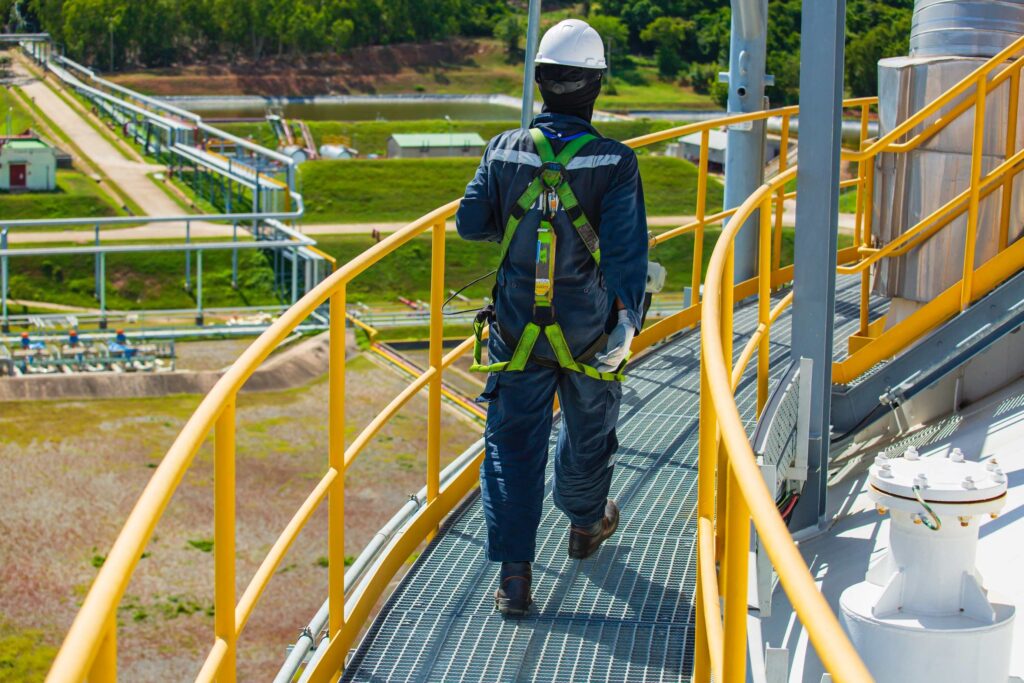
To mitigate the risk of falls, employers are required to configure the workplace to safeguard employees from falling from elevated platforms, workstations, or into openings in floors and walls. According to OSHA regulations, fall protection must be implemented at heights of four feet in general industry settings, five feet in shipyards, six feet in construction sites, and eight feet in longshoring activities.
Furthermore, OSHA mandates that fall protection is necessary when working above hazardous machinery and equipment, irrespective of the fall distance. To ensure the safety of employees and prevent fall-related injuries, employers should:
- secure every floor opening that a worker might inadvertently walk into with a railing and toe-board or a cover.
- install guardrails and toe-boards around all elevated platforms, floors, or runways that are open on the sides.
- provide guardrails and toe-boards for any situation where a worker could fall onto or into dangerous machinery or equipment, such as a vat of acid or a conveyor belt.
Additional fall protection measures that may be necessary for specific tasks include safety harnesses and lines, safety nets, stair railings, and handrails. Each system requires proper installation and training. An OSHA guideline document for fall protection in residential construction can be found here.
Effective fall protection in the workplace can be provided by a multitude of different systems. Each serves a specific purpose. Here are the main types:
- Guardrails: These barriers prevent falls from edges. These can be rooftop perimeters or open-sided platforms. In a construction site, these are most frequently temporary, but still strong enough to be effective.
- Safety Nets: Installed below work areas, nets catch falling workers. They’re common in bridge construction.
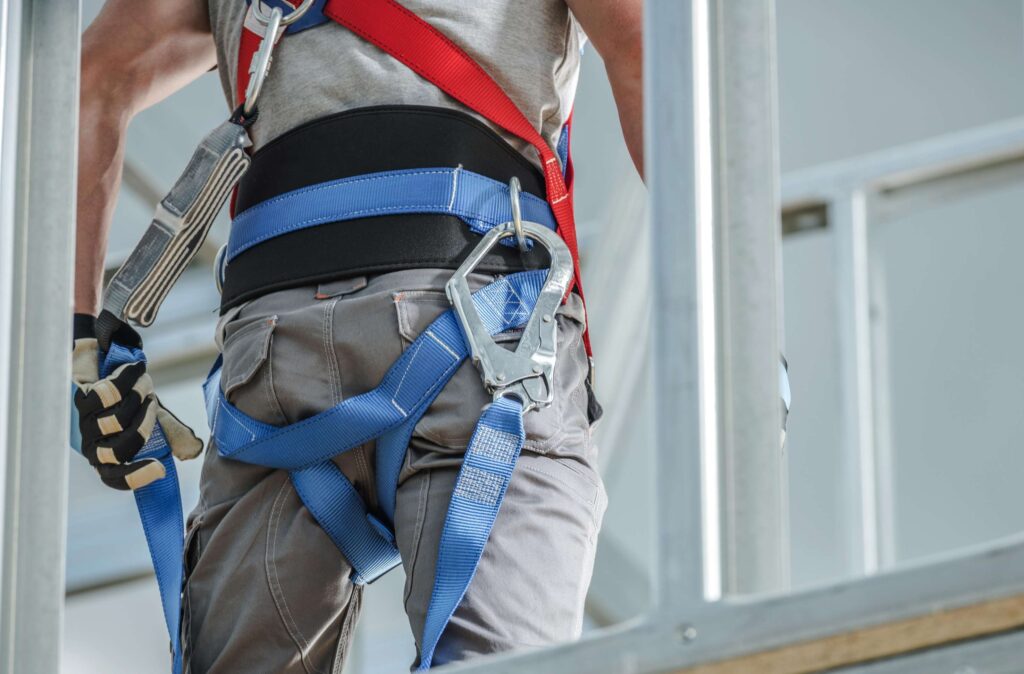
- Personal Fall Arrest Systems (PFAS): These include harnesses, lanyards, and anchor points. Workers wear them for mobility and safety.
- Positioning Systems: These keep workers in place while allowing hands-free work, like rebar tying on high structures.
Fall Protection Best Practices
Adopting fall protection best practices saves lives. Workers and employers must act proactively. Here’s how:
- Conduct Regular Training: Train workers on equipment use and hazard recognition. OSHA requires this for high-risk jobs.
- Inspect Equipment Daily: Check harnesses, lanyards, and anchor points for wear. A frayed lanyard can snap under stress.
- Plan for Every Job: Assess risks before work begins. Identify fall hazards and choose appropriate systems.
- Use Proper Anchorage: Ensure anchor points can support 5,000 pounds per worker. Weak anchors lead to catastrophic failures.
- Enforce Compliance: Supervisors must ensure workers follow protocols. No exceptions.
Consistency in these practices builds a culture of safety and greatly reduces frequency of incidents.
Real-World Examples of Fall Protection Success
Fall protection in the workplace isn’t theoretical and truly works. Here are two examples where it saved lives:
- Scaffold Collapse in Chicago (2019)
A scaffold buckled on a high-rise project. Three workers, secured by personal fall arrest systems, dangled 15 stories up. Their harnesses held firm. Rescue teams lowered them safely. Without construction fall protection, all three would have died. - Rooftop Repair in Texas (2021)
A roofer slipped on a steep incline during a repair job. His safety harness, anchored to a ridge, stopped his fall. He sustained minor bruises instead of a fatal plunge. Proper fall protection best practices made the difference.
These stories show the power of preparation and training. Fall protection reduces potential tragedies into close calls.
Common Challenges and Solutions
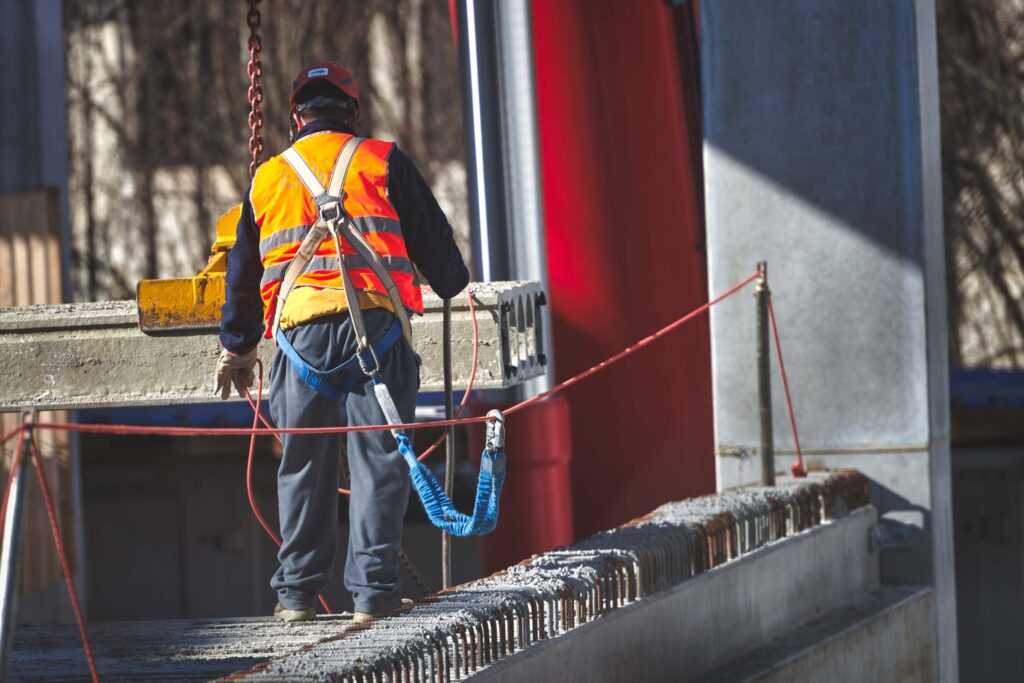
Even with systems in place, challenges arise. Workers may resist wearing harnesses. Time constraints can lead to skipped inspections. Here’s how to address them:
- Resistance to Equipment: Educate workers on risks. Share stories like the Chicago scaffold incident to show why fall protection matters.
- Time Pressures: Streamline inspections with checklists. A five-minute check prevents hours of tragedy. Many successful commercial companies emphasize to employees to “take the time to do the job safely”.
- Cost Concerns: Invest in durable, reusable systems of high quality. The cost of equipment pales against medical bills or lawsuits.
A Thought-Provoking Question
What would it take for every construction site to achieve zero fall-related injuries? This question challenges employers and workers to rethink priorities and commit to effective measures including the above mentioned fall protection methods.
FAQs:
Key Takeaways
- Fall protection saves lives. Proper systems prevent the majority of construction fatalities.
- Training and inspections are non-negotiable. Consistent practices ensure equipment works when needed.
- Real-world success proves it works. Stories like Chicago and Texas highlight the value of preparation.