


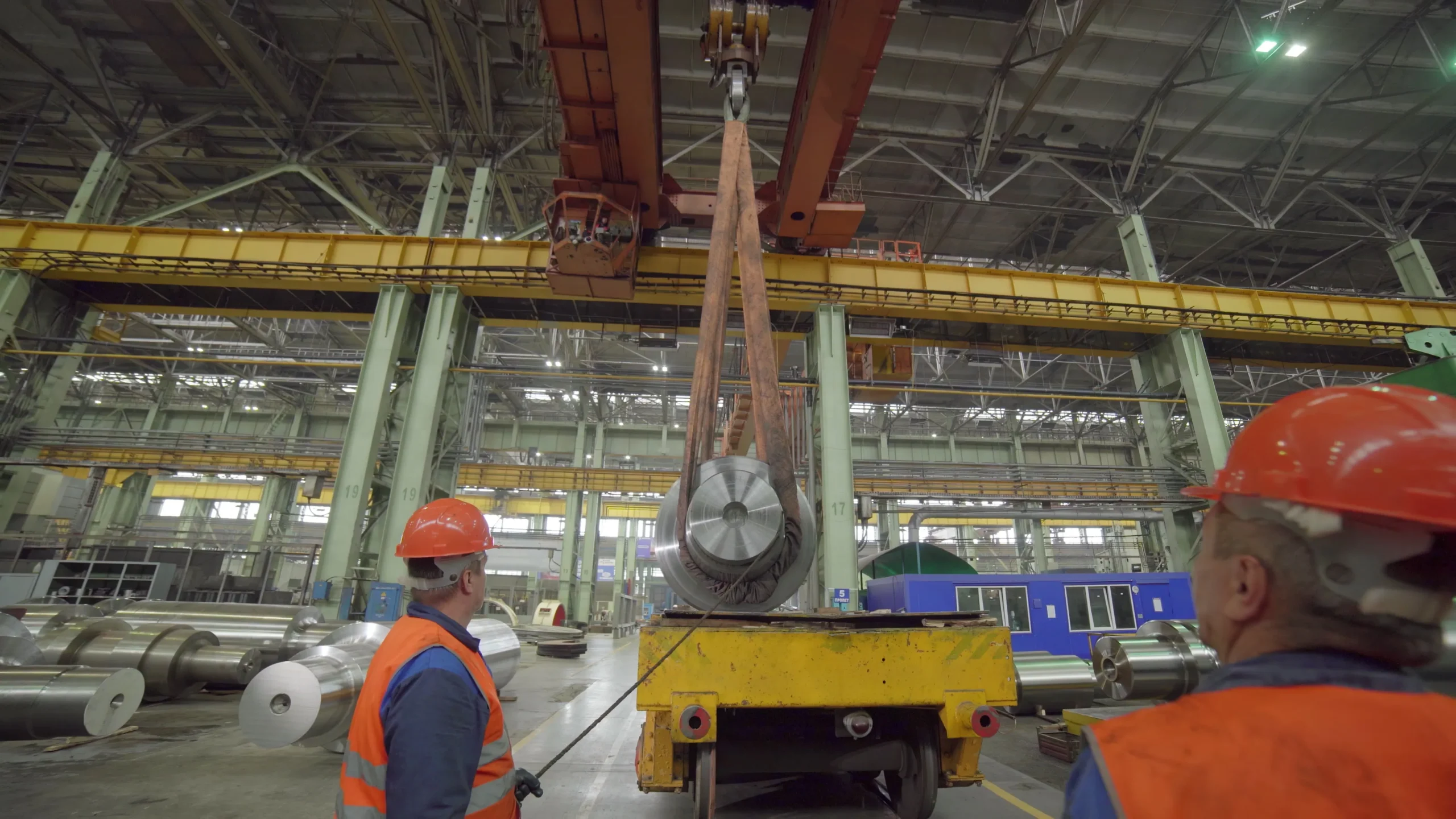
Rigging is one of the most critical tasks on any construction or industrial site. It involves lifting, securing, and moving heavy loads safely using cranes, hoists, slings, and other equipment. The right rigging techniques can make the difference between a smooth operation and a serious accident.
Every operator whether new to the trade or seasoned with decades of experience, must master a few core principles to ensure crane and rigging safety and prevent incidents that could cause injury, equipment damage, or costly downtime.
1. Understanding Load Weight and Center of Gravity
Before any lift begins, the operator must know exactly how much the load weighs and where its center of gravity lies. This ensures the load remains balanced during lifting.
Best Practices:
- Always verify load weight from manufacturer data or markings.
- Estimate the center of gravity by checking shape, density, and where most of the weight is concentrated.
- Use test lifts, just lifting a few inches, to confirm stability.
Example:
A construction crew lifting a steel beam underestimated its uneven weight distribution. The beam tilted sharply when lifted, striking a nearby scaffold. Fortunately, no one was injured, but it resulted in a half-day delay and damaged equipment.

2. Choosing the Right Sling
The sling is your direct connection to the load. Selecting the correct one is crucial for sling and rigging safety.
Common Types of Slings:
- Wire rope slings: Strong and durable; ideal for rugged environments.
- Chain slings: Great for high-temperature applications.
- Synthetic web slings: Lightweight, flexible, and ideal for delicate surfaces.
Tips:
- Inspect every sling before use. Look for frayed fibers, kinks, or worn links.
- Use slings rated for more than the actual load weight.
- Always store slings in dry, cool areas away from chemicals or sharp objects.
3. Using Proper Hitch Configurations
How a sling connects to the load and crane called the hitch configuration affects the load’s stability and weight distribution.
Main Hitch Types:
- Vertical Hitch: A single sling connects the hook to the load. Simple but provides no balance control.
- Choker Hitch: Wraps around the load for better grip. Use caution chokers reduce load capacity by up to 20%.
- Basket Hitch: Loops under the load and connects to the hook on both ends, doubling the sling’s capacity if balanced properly.
Remember: Always calculate the angle factor. The smaller the sling angle, the greater the stress on the sling legs.

4. Pre-Lift Safety Checks
Even the best equipment can fail if not checked properly. Crane and rigging safety depends on disciplined inspection before every lift.
Checklist Before Every Lift:
- Verify crane load charts and ensure rated capacity exceeds the planned lift.
- Inspect hooks, shackles, and lifting points for cracks or deformation.
- Confirm communication signals between operators and riggers.
- Check wind speed, ground stability, and nearby obstructions.
Example:
In 2019, a rigging crew in British Columbia lifted a generator without verifying sling integrity. One sling had a hidden cut and snapped mid-air, causing the 1,200-kg load to drop. No one was injured, but the repair cost exceeded $50,000. That single inspection could have prevented the incident.
5. Controlling the Load During the Lift
A controlled lift is a safe lift. Once the load leaves the ground, small movements can quickly escalate into dangerous swings.
Techniques for Load Control:
- Use tag lines to guide and steady the load.
- Keep personnel clear of suspended loads never walk or stand underneath.
- Lift slowly to prevent shock loading, which can exceed sling capacity.
- Maintain smooth crane operation; avoid sudden starts or stops.
Pro Tip: The operator and signal person must maintain constant eye contact or radio communication throughout the lift.

6. Rigging Communication and Coordination
Even perfect equipment can’t replace teamwork. Most rigging accidents occur from miscommunication between operators and ground personnel.
Best Communication Practices:
- Assign one qualified signal person per lift.
- Use standardized hand signals as per CSA and OSHA guidelines.
- Review lift plans with the full crew before starting.
- Encourage a “stop-work” culture anyone can halt a lift if they spot a hazard.
Good communication reinforces safe rigging and slinging every time.
Real-World Lessons from Rigging Incidents
1. New York City Crane Collapse (2008):
A tower crane collapsed due to improper rigging during a section jump. The mishap killed seven workers and destroyed surrounding buildings. Investigations revealed missed inspections and poor sling configuration.
2. Wind Turbine Lift Incident (Texas, 2021):
During high winds, a 50-ton blade was being hoisted when a tag line snapped. The uncontrolled swing damaged the crane boom and narrowly missed several crew members. The failure was linked to ignoring wind-speed limits and overloading slings.
Both tragedies underline one lesson: proven rigging techniques save lives only when executed with discipline.
How much do you trust your rigging setup?
FAQs:
Key Takeaways
- Preparation Prevents Problems: Always calculate load weight, choose the right sling, and check your gear.
- Communication Saves Lives: Clear signals and teamwork are just as vital as equipment.
- Discipline Ensures Safety: Rigging isn’t guesswork follow standards every single time.
Final Word
Mastering these six rigging techniques builds both competence and confidence. Whether lifting a 500-kg beam or a 50-ton structure, consistent adherence to sling and rigging safety protocols protects your crew, equipment, and reputation.
Ready to Get Certified?
Start your certification online today and gain the skills employers are looking for.
- Instant AccessGet started right away
- Mobile FriendlyLearn on any device
- Printable CertificateDownload instantly
- Valid Across CanadaAccepted nationwide
You May Also Need

Basic Rigging Principles
Learn fundamentals of safe lifting using cranes and slings. This course teaches equipment selection, inspection, load…
View Course
Rigging and Slinging (Adv)
This online Rigging and Slinging Safety course is organized into 5 modules. It covers techniques and…
View Course
Scaffolds for Construction
The widespread use of scaffolding in the construction industry requires workers to have relevant safety knowledge…
View Course
Slips & Trips for Construction
Recent statistics for Canada indicate more than 40,000 workers get injured every year due to fall…
View Course